
Tecan uses cookies to improve our website. By continuing to browse our website, you accept our cookie policy.
Tecan uses cookies to improve our website. By continuing to browse our website, you accept our cookie policy.








By Siegfried Sasshofer
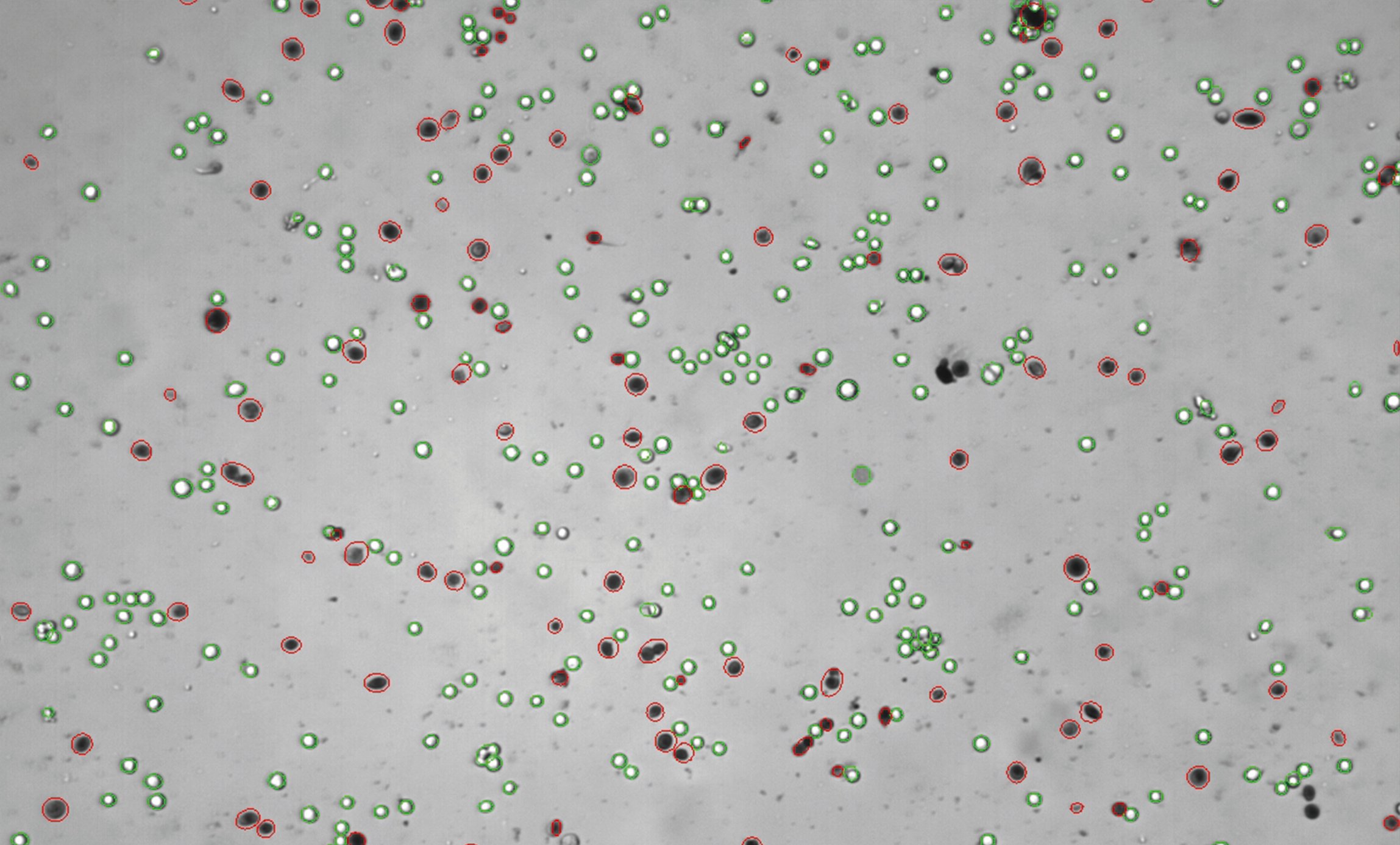
All researchers performing cellular assays – research or clinical - need a cell counting solution. Cell counters are used to count cells in a culture to determine density, concentration or viability. Having established the...
By Siegfried Sasshofer
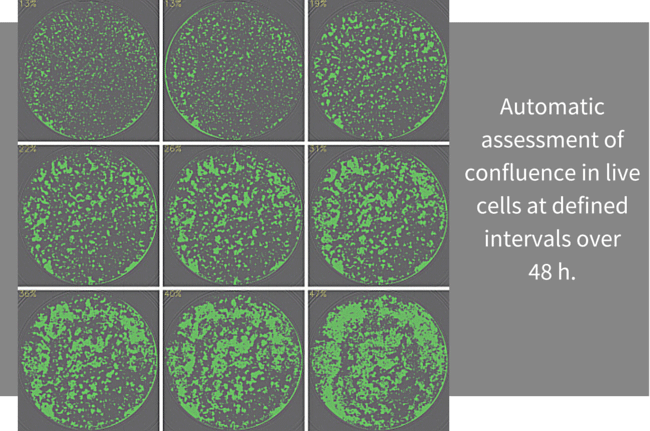
Imagine life science research without cell-based assays. Or without cultured cells of all types to power those assays. Healthy, high-quality cells at the right point of confluence are vital for proliferation, kinetics,...
By Michael Fejtl
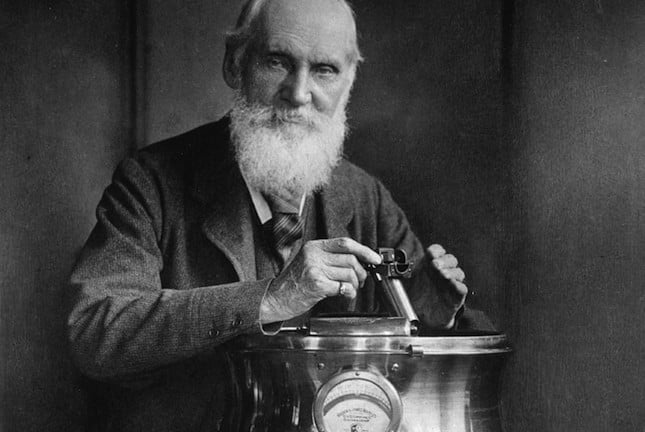
“When you can measure what you are speaking about, and express it in numbers, you know something about it.” Lord Kelvin knew that. To be confident in your results, to quickly move your studies forward, and to be the first to publish...